


How Does A Forged Ring Eliminate Machining Waste?
Nov 26, 2025
You machine rings from solid aluminum discs, watching valuable material become scrap. This costs you money in lost material, increased tool wear, and wasted time, directly hitting your profit margins.
Custom forged rings eliminate waste by creating a near-net shape with a pre-formed hole. This drastically reduces machining time, minimizes material scrap, and lowers tool wear, directly saving our clients money on every single part.
I've seen so many machine shops literally throwing money in the scrap bin. They buy a large forged disc, spend hours hogging out the center, and pay to have the scrap hauled away. That's why we champion the forged ring. It's not just a product; it's a solution to waste. We don't just cut a hole in a disc-we forge the grain flow into a circle. This creates superior strength and a shape that's already close to your final dimensions. Let's break down how this smarter approach benefits you.
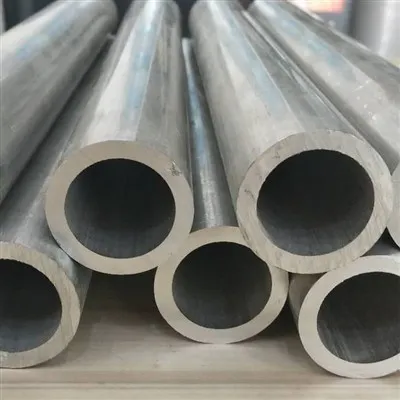
What is the Best Aluminum Alloy for Forging?
You need to choose an alloy for your forged ring. The wrong choice could lead to poor performance in the final application or unnecessary costs for your project.
The best alloy depends entirely on your specific needs. 6061 is excellent for general-purpose rings needing good strength and corrosion resistance, while 7075 is superior for high-stress applications that demand maximum strength.
Selecting the right alloy is the first step in creating a successful component. There's no single "best" choice, only the right choice for the job. For our clients, the decision usually comes down to balancing performance and cost. 6061 is a fantastic, versatile alloy. It forges beautifully and provides a great combination of strength, weldability, and corrosion resistance after heat treatment. It's the go-to for many industrial applications. However, when a client comes to us with a high-performance need, like a part for aerospace or heavy machinery, we often recommend 7075. It offers a much higher strength-to-weight ratio. The key is understanding the end-use. At SWA Forging, we see ourselves as partners in this decision, helping you select an alloy that meets your engineering requirements without over-specifying and adding unnecessary cost to the final part.
Can Rings Be Made of Aluminum?
You're used to seeing steel or other heavy metals used for rings and bearings. You might think aluminum is too soft or weak for these demanding structural shapes.
Yes, absolutely. Forged aluminum rings are not only possible but are often superior. The forging process creates a dense, strong part that is lightweight, corrosion-resistant, and ideal for a huge range of industrial applications.
This is a common question, and the answer lies in the forging process. You wouldn't want a ring made from a soft, cast aluminum. But a forged aluminum ring is a different beast entirely. When we forge a ring, we aren't just shaping the metal; we are refining its internal grain structure. The immense pressure of our forging press forces the grains to align with the circular shape of the ring. This creates exceptional "circumferential strength"-the ability to resist forces that try to pull the ring apart. This aligned grain flow makes the part incredibly tough and resistant to fatigue. So, while the base material is lightweight aluminum, the final forged component has the structural integrity needed for demanding roles like bearing housings, flanges, and structural connectors, all while offering significant weight savings and natural corrosion resistance.
What is the Difference Between Pressed and Forged Aluminum?
You hear the terms "pressed" and "forged" and they sound similar. You need to know if there's a real difference or if it's just marketing language.
Forging uses controlled pressure to shape heated metal, refining its grain structure for superior strength. Pressing, or stamping, typically shapes thin, cold sheet metal, which does not improve the material's internal properties in the same way.
The difference is fundamental, and it's all about what happens inside the metal. Think of pressing or stamping like using a cookie-cutter on dough. It creates a shape, but it doesn't fundamentally change the dough itself. This process is great for making things like car body panels from thin sheets of aluminum. Forging, on the other hand, is like kneading that dough before you shape it. We start with a solid billet of aluminum, heat it, and use immense, controlled pressure. This process forces the material to flow, breaking down the coarse, random grain structure of the original billet and realigning it into a fine, continuous pattern that follows the contours of the final part. This refined, directional grain flow is what gives a forged component its signature strength, ductility, and resistance to impact and fatigue. A pressed part is just a shape; a forged part is an engineered structure.
Can You Forge Aluminum Like Steel?
You are familiar with the image of a blacksmith forging steel with a hammer. You wonder if aluminum, a much softer metal, can be worked in the same way to create strong parts.
Yes, you can forge aluminum, but the process is more precise than steel. Aluminum requires much tighter temperature control and is typically forged in closed dies using a press, not hammered, to ensure a flawless internal structure.
While the basic principle of shaping hot metal is the same, the specifics for aluminum and steel are very different. Steel has a very wide temperature range where it is malleable and can be worked repeatedly. You can heat it, hammer it, reheat it, and continue shaping. Aluminum is much more sensitive. Its forging temperature range is very narrow. If it's too cool, it will crack under pressure. If it gets too hot, its metallurgical properties can be permanently damaged. Because of this, we don't use hammers. We use a massive hydraulic press. This allows us to apply a huge amount of force in one smooth, controlled stroke. This shapes the part quickly and evenly within that perfect temperature window. It's a more scientific, process-controlled approach perfectly suited to aluminum's unique characteristics, ensuring every part we make has the ideal structure for maximum performance.
Conclusion
Custom forged rings are a smarter solution. They eliminate waste, reduce your machining costs, and provide superior strength, turning a simple component into a competitive advantage for your business.


