


Machinability Of Aluminum Bar: Tips For CNC, Turning, And Milling Different Alloys (Industry Best Practices)
Oct 10, 2025
Are you looking to master the art of machining aluminum bar, ensuring efficiency and precision for various alloys? Understanding machinability is key to achieving optimal results in CNC operations, turning, and milling.
Regarding the best aluminum casting alloy for machinability, alloys like 356.0 or A356.0 are often cited due to their good fluidity and relatively lower hardness, though they are not as strong as wrought alloys. When milling aluminum, it is generally better to mill aluminum fast, within recommended surface speeds, to prevent the material from gumming up the cutter and to achieve clean chip formation. The machinability of 6061 aluminum is considered excellent, often rated around 80-90% relative to free-machining alloys, making it one of the most popular choices for general-purpose machining. To improve the machining of aluminum and its alloys, key practices include using sharp, high-quality cutting tools with appropriate geometry, employing high-speed machining with sufficient clearance to prevent chip recutting, using effective coolant or cutting fluid for lubrication and cooling, and optimizing feed rates and depth of cut to suit the specific alloy and operation.
At SWA Forging, we understand that the quality of the aluminum bar directly impacts its machinability. Our custom-forged aluminum bars, particularly in high-strength alloys like 7075, are produced with uniform grain structures and tight dimensional control. This meticulous process ensures predictable and superior machinability, minimizing issues such as tool wear or inconsistent chip formation that can plague lesser materials, allowing your CNC, turning, and milling operations to run efficiently and produce highly precise components.
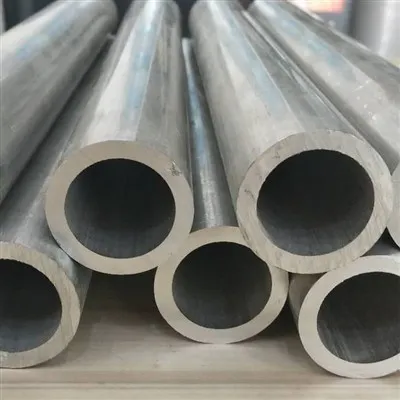
What is the best aluminum casting alloy for machinability?
Are you trying to identify which cast aluminum alloys are easiest to work with using machining tools? Machinability in castings has specific considerations.
While wrought aluminum alloys are generally considered more machinable than casting alloys, among the casting alloys, those designed for good fluidity and that don't have excessive hardness tend to offer better machinability. Alloys like 356.0 and A356.0 (aluminum-silicon-magnesium casting alloys) are often regarded as having good machinability for casting alloys. Their silicon content contributes to good wear resistance and a relatively good surface finish, and they are less prone to work hardening compared to some other cast alloys. However, it's important to remember that cast structures can be less uniform than wrought structures, and porosity can be a factor affecting finish and tool life. For best results, using sharp tools, appropriate speeds and feeds, and plenty of coolant is always recommended, especially when targeting high precision.
SWA Forging specializes in wrought aluminum products, where machinability is a primary focus and can be controlled through forging and heat treatment. Our forged aluminum bars, made from alloys like 7075 and 6061, offer significantly better and more consistent machinability than most casting alloys. We ensure that our material's uniform structure and tight tolerances provide an ideal foundation for your machining operations, leading to smoother cuts, longer tool life, and precise finishes for critical components that demand high performance and reliability.
Is it better to mill aluminum fast or slow?
Do you need guidance on the optimal speed for milling aluminum to achieve the best results and avoid common machining problems? Speed plays a crucial role.
Generally, it is better to mill aluminum fast, within the recommended surface speed (SFM or m/min) ranges for the specific alloy and tooling. High-speed milling offers several advantages when working with aluminum. Firstly, it helps to produce a clean shearing action on the material, leading to a better surface finish and reducing the likelihood of the aluminum clogging the cutting tool or flaking. High speeds also help to evacuate chips more efficiently, preventing them from getting recut and causing surface damage. While very slow speeds can lead to rubbing and heat buildup, resulting in gouging or poor finish, fast speeds, when combined with appropriate depths of cut and feed rates, promote efficient material removal and a good cutting environment. The key is to find the right balance of speed, feed, and depth of cut for the specific alloy to avoid chatter and ensure tool longevity.
When you use SWA Forging's precisely manufactured aluminum bars, you are working with a material that is engineered for optimal machining performance. Our consistent material properties allow you to confidently utilize higher, more efficient milling speeds. By providing a reliable base, our forged aluminum bars help ensure that your high-speed operations result in clean cuts, excellent finishes, and minimal tool wear, making your machining of critical components more productive and cost-effective.
What is the machinability of 6061 aluminum?
Are you assessing how easy it is to machine 6061 aluminum, a widely used alloy? Its machinability is a key reason for its popularity.
The machinability of 6061 aluminum is considered excellent, making it one of the most frequently machined aluminum alloys. It typically receives a machinability rating of around 80-90% relative to free-machining alloys (which are rated at 100%). This high rating is due to its relatively low hardness, good chip breaking characteristics, and its ability to be machined to a fine finish with standard cutting tools. 6061 aluminum can be machined at high speeds, and it produces fine chips that are easily cleared from the cutting zone. It responds well to standard machining operations such as turning, milling, drilling, and tapping. Its good machinability, combined with its excellent combination of strength, corrosion resistance, and weldability, makes it a versatile choice for a broad range of applications.
At SWA Forging, we produce 6061 aluminum in various forged forms, and we ensure that our material's quality enhances its already superior machinability. When you utilize our 6061 aluminum bars, you benefit from a consistent microstructure that allows for predictable machining performance. This means you can achieve those excellent finishes and tight tolerances that 6061 is known for, with confidence in the material's reliable behavior during your turning, milling, and CNC operations.
What can be done to improve the machining of aluminum and its alloys?
Are you looking for practical tips and techniques to enhance your aluminum machining processes and achieve better results? Several actions can significantly improve outcomes.
Several key strategies can be employed to significantly improve the machining of aluminum and its alloys. First, tooling is paramount: use sharp, high-quality cutting tools, often made of carbide or high-speed steel, with polished flutes and specific rake and clearance angles designed for aluminum to prevent chip welding. Second, high-speed machining is generally preferred; use higher surface speeds and ensure adequate chip thinning to prevent recutting and improve surface finish. Third, lubrication and cooling are critical; employ a good cutting fluid or coolant to lubricate the cutting zone, reduce friction, dissipate heat, and flush chips away. Fourth, optimize chip evacuation by using appropriate feed rates and depths of cut to produce manageable chips that don't clog the tool or workpiece. Fifth, consider the material's condition; alloys in their annealed state are softer, while hardened tempers are stronger and more abrasive, requiring adjustments. Finally, cleanliness of the machine and workpiece reduces contamination and improves precision.
SWA Forging understands that even the best machining practices require a superior starting material. Our forged aluminum bars are processed to guarantee optimal material properties, including a consistent microstructure and tight tolerances, which naturally contribute to improved machinability. When you use our alloys like 7075 or 6061, you'll find these best practices yield even better results, with reduced tool wear, cleaner cuts, and higher precision for your most demanding critical components.
Conclusion
Aluminum bar machinability depends on alloy, tooling, and speed. High-speed machining with proper cooling and sharp tools is key. SWA Forging provides superior, consistently machined forged aluminum.


